Do Foreign Entity Rules Apply to Geothermal Heat Pumps?

No. The prohibited foreign entity and material assistance rules that have been slowing down solar procurement since the start of 2026 don’t reach a Section 48 geothermal heat pump. There’s no cost ratio to compute, no supplier certification chain to collect, and no six year assessment period waiting at the end of it.
That’s not a technicality or a planning position. It falls out of the text of the Code, and on the facts of a standard ground source installation it isn’t a close question. It’s worth walking through, because the compliance load is a live reason boards have paused clean energy projects. The assumption we keep running into is that a geothermal project drags the same paperwork behind it as a solar array. It doesn’t, and the gap is wide enough to change what the filing costs and how long it takes. The Section 6417 elective pay route is the same one we use across these engagements.
What the foreign entity rules actually require
Take the solar case first, so the contrast is clear.
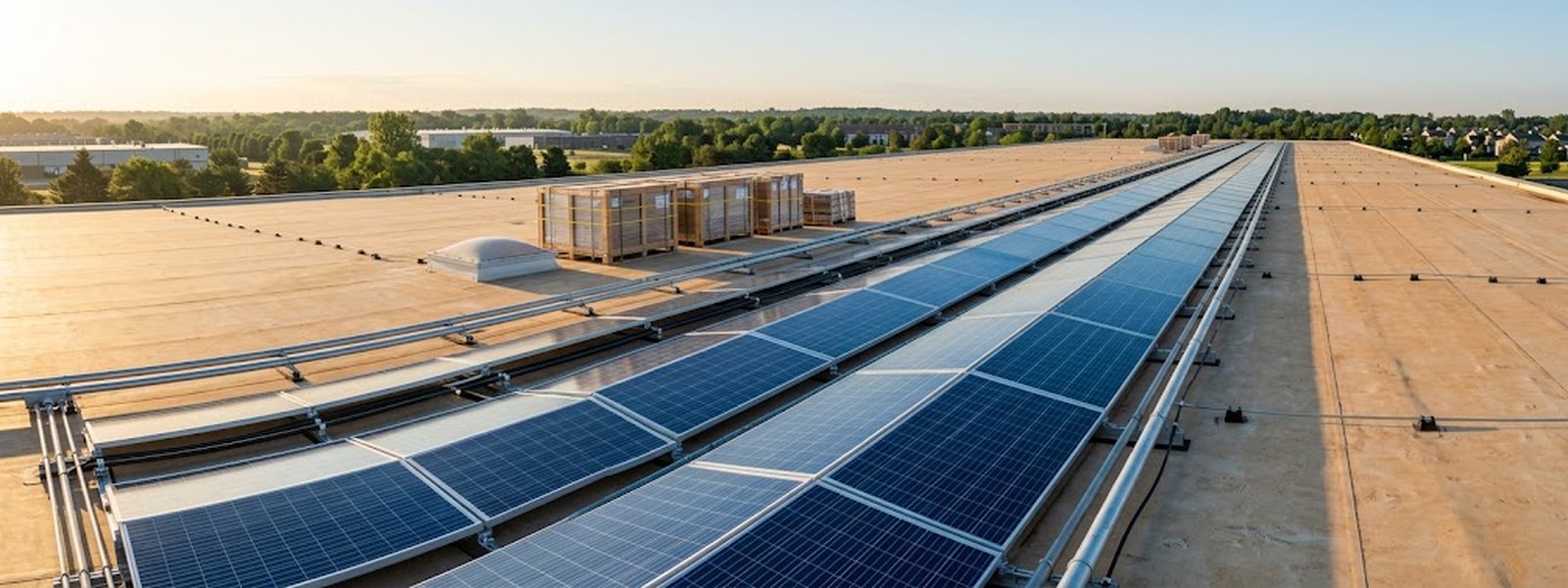
A Section 48E facility that began construction after December 31, 2025 has to clear a material assistance cost ratio. You take the total direct costs attributable to all manufactured products, components included, incorporated into the facility on completion of construction, subtract the portion attributable to products mined, produced or manufactured by a prohibited foreign entity, and divide the remainder by that same total. The result has to sit at or above a threshold that climbs by year: 40% for 2026 construction starts, 45% for 2027, 50% for 2028, and up from there. Storage has its own higher ladder.
That threshold is a cliff. Fall below it by a dollar and the property stops being qualified property at all.
Proving it means supplier certifications, and the statute is specific about what one has to contain. Section 7701(a)(52)(D)(iii)(IV) requires the supplier’s EIN or foreign equivalent, a signature under penalties of perjury, a statement that the property was not produced by a prohibited foreign entity, a statement that the supplier does not know or have reason to know that anyone upstream is one, and the direct cost figures. It has to come from the supplier the taxpayer actually bought from, not from someone further up the chain. Both sides keep it for at least six years and produce it on request.
The part that makes counsel nervous. Section 7701(a)(52)(D)(iii)(III) is a knowledge override. If the owner knows or has reason to know a product was made by a prohibited foreign entity, every direct cost for it counts against you no matter what the certificate says. And if the owner knows or has reason to know the certificate itself is wrong, it cannot be relied on at all. That turns ordinary procurement diligence into a documented tax position.
Section 48 geothermal sits outside the regime entirely
The rules live in Section 48E(b)(6), Section 48E(c)(3), and Section 7701(a)(52). Search the text of Section 48 for “prohibited foreign entity,” “material assistance,” or “Section 7701(a)(52)” and you get nothing. The regime is not in Section 48.
The structural reason sits one level up. Section 48E(b)(3)(A)(i) defines a qualified facility as one “which is used for the generation of electricity.” A ground source heat pump moves heat between the ground and a building. It generates no electricity, so it is not a Section 48E qualified facility, so nothing hanging off Section 48E can attach to it. Heat pumps claim the legacy energy credit at Section 48(a)(3)(A)(vii) instead, and that is a different regime with a different set of conditions. We walked through the eligibility side of that in how nonprofits get paid on a geothermal system.
The OBBBA penalties are keyed to a list geothermal isn’t on
This is the part worth checking carefully. OBBBA built a set of penalties around the material assistance regime, and it’d be easy to assume they apply broadly. They don’t. Every one of them is keyed to the same short list of credits.
| Provision | What it reaches | Section 48 geothermal? |
|---|---|---|
| Six year assessment period, Sec. 6501(o) | Deficiencies from an error in a Sec. 7701(a)(52) determination | No |
| Widened accuracy penalty, Sec. 6662(m) | Disallowance under Sec. 45X, 45Y or 48E for overstating the cost ratio | No |
| Supplier penalty, Sec. 6695B | Same list | No |
| Elective pay hook, Sec. 6417(d)(6)(D) | Same list | No |
| 100% recapture, Sec. 50(a)(4) | Property eligible under Sec. 48E(a) | No |
Section 6662(m) is the one that gets underestimated. For a credit on that list it drops the substantial understatement threshold from 10% to 1%, which means the 20% accuracy penalty attaches at a far smaller error than usual. A Section 48 heat pump doesn’t get there, because there is no cost ratio to overstate.
Section 6501(o) matters for a different reason. A municipality’s ordinary records retention schedule is often shorter than six years. Solar owners have to calendar around that. Geothermal owners keep records under the normal Section 6001 rule.
Put it in a form a board can minute: none of the 2025 sourcing penalties attach to this project, because every one of them is written to reach a credit we are not claiming.
The rules a geothermal file still has to meet
Being outside the foreign entity regime is not the same as being outside compliance, and it would be a mistake to read it that way.
- The excessive payment rule. Section 6417(d)(6)(A) through (C) still applies in full. If the Service determines an elective payment was excessive, the entity repays it plus 20%, and reasonable cause only negates the 20% alone. The entity repays the rest whether or not it owes any income tax.
- Tax-exempt bond financing reduces the credit by up to 15%, and we work that through with a live example in the geothermal credit walkthrough.
- Section 48(a)(13), which applies rules similar to Section 45(b)(10) to a project making a Section 6417 election. On a project at or above 1 megawatt that misses domestic content, this can cut the elective payment itself. A project that satisfies Section 48(a)(9)(B), meaning prevailing wage and apprenticeship or the 1 megawatt exception, sits at a 100% applicable percentage.
Two open points there are worth naming rather than glossing. Section 45(b)(10)(B)(ii) states its own exception as “less than 1 megawatt (as measured in alternating current)” with no thermal alternative, and no published guidance addresses whether “rules similar to” carries the thermal conversion in Treasury Regulation Section 1.48-13(e)(5) across to it. Separately, the percentage ladder in Section 45(b)(10)(C) as codified stops at 2024 construction starts, so on a post-2024 geothermal start there is no stated percentage to apply. Neither question has an answer in published guidance. The practical response is to moot it: stay under 1 megawatt thermal, clear the 40% domestic content threshold, or claim the increased-cost or non-availability exception.
What OBBBA did change
Worth stating plainly, because “untouched” gets repeated too loosely and it isn’t quite right. OBBBA made two amendments to Section 48 and neither reaches heat pumps, and it made two changes outside Section 48 that do touch them, one favorable and one that only matters to a taxable owner. We set those out in what the 2025 law did to geothermal heat pumps. Neither is a foreign entity rule, and neither creates a sourcing file.
What belongs in a geothermal substantiation file
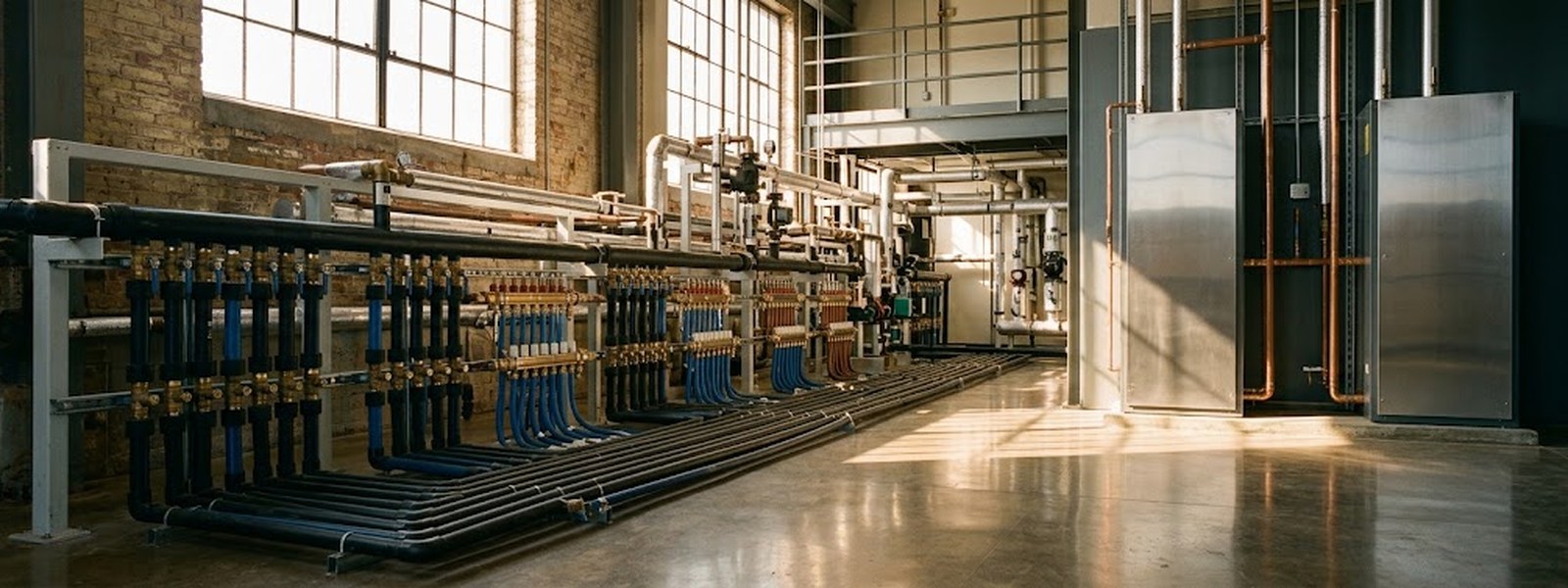
None of the above means a geothermal file should be thin. The Service won’t ask for a cost ratio, but it can ask for everything else, and the excessive payment rule is what gives that teeth.
Here’s what we want in the file on these engagements.
- Eligible basis tied to invoices, not to a contract total.
- The placed-in-service date supported by commissioning records, not just a certificate of occupancy. That date drives the whole filing calendar.
- Evidence of ownership tying to a deed or a documented right to use the land.
- The begin-construction file assembled while the facts are fresh, under Notice 2018-59. That’s the Section 48 notice, not Notice 2013-29, and preparers mix them up.
- The thermal capacity calculation written down, with its nameplate sources.
That last one decides whether the project sits at 30% or 6%. It’s the single most common gap we see.
Sitting on a geothermal project and worried about the compliance load? We scope Section 48 filings and Section 6417 elective pay engagements for tax-exempt and governmental owners, including the thermal capacity determination, the registration sequence, and the substantiation file. Tell us the building and the tonnage and we'll tell you what the file needs to look like. Start a conversation, or download the Section 6417 direct pay filing guide.
Have a project and a deadline?
GreenFile Advisory handles the filing side of Section 6417 direct pay: eligibility confirmation, IRS pre-filing registration, and the Form 990-T with the elective pay election. Filing and compliance only, so we are not competing with your installer or your financing.
This article is general information, not tax advice, and it reflects IRS guidance as of September 14, 2026. Deadlines and eligibility depend on your organization's tax year and entity type. Please confirm your own facts with a qualified tax professional before relying on anything here.