A DEDUX TAX SERVICES PRACTICE

Real Projects. Real Refunds.

Direct pay filings for tax-exempt organizations, from IRS registration through the money landing in the bank. These are actual GreenFile Advisory engagements: towns, schools, churches, housing authorities, and the partners who build for them.

$400K+ in credits filed or secured 8 entity types served MA to CA coverage

From Town Halls to Solar Farms

Every engagement below is real work: refunds received, credits secured, allocations won, and risks caught before they cost anyone a credit. Filter by the kind of organization you are.

Client names withheld for confidentiality. Figures reflect amounts filed with or approved by the IRS on actual engagements.

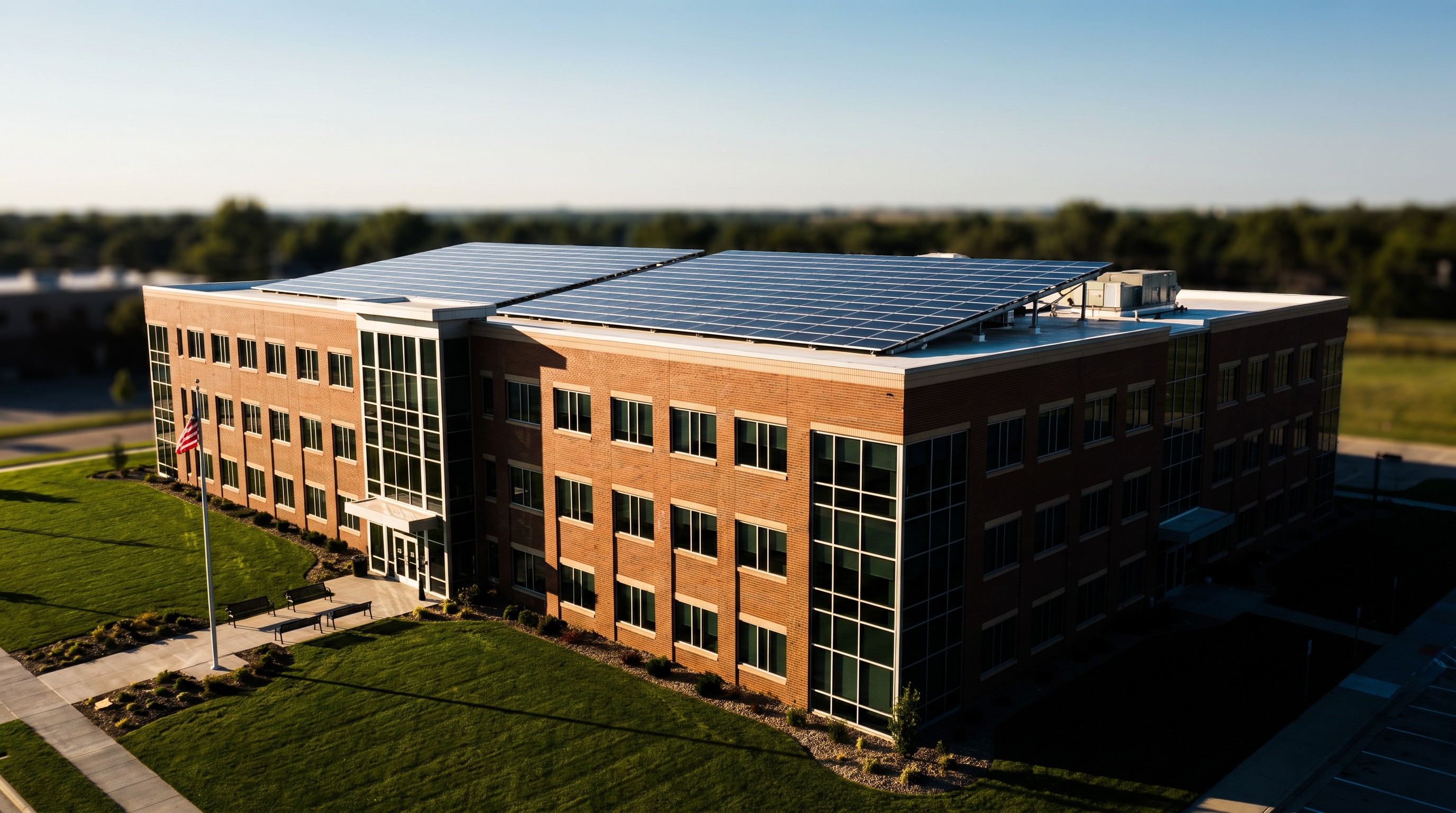
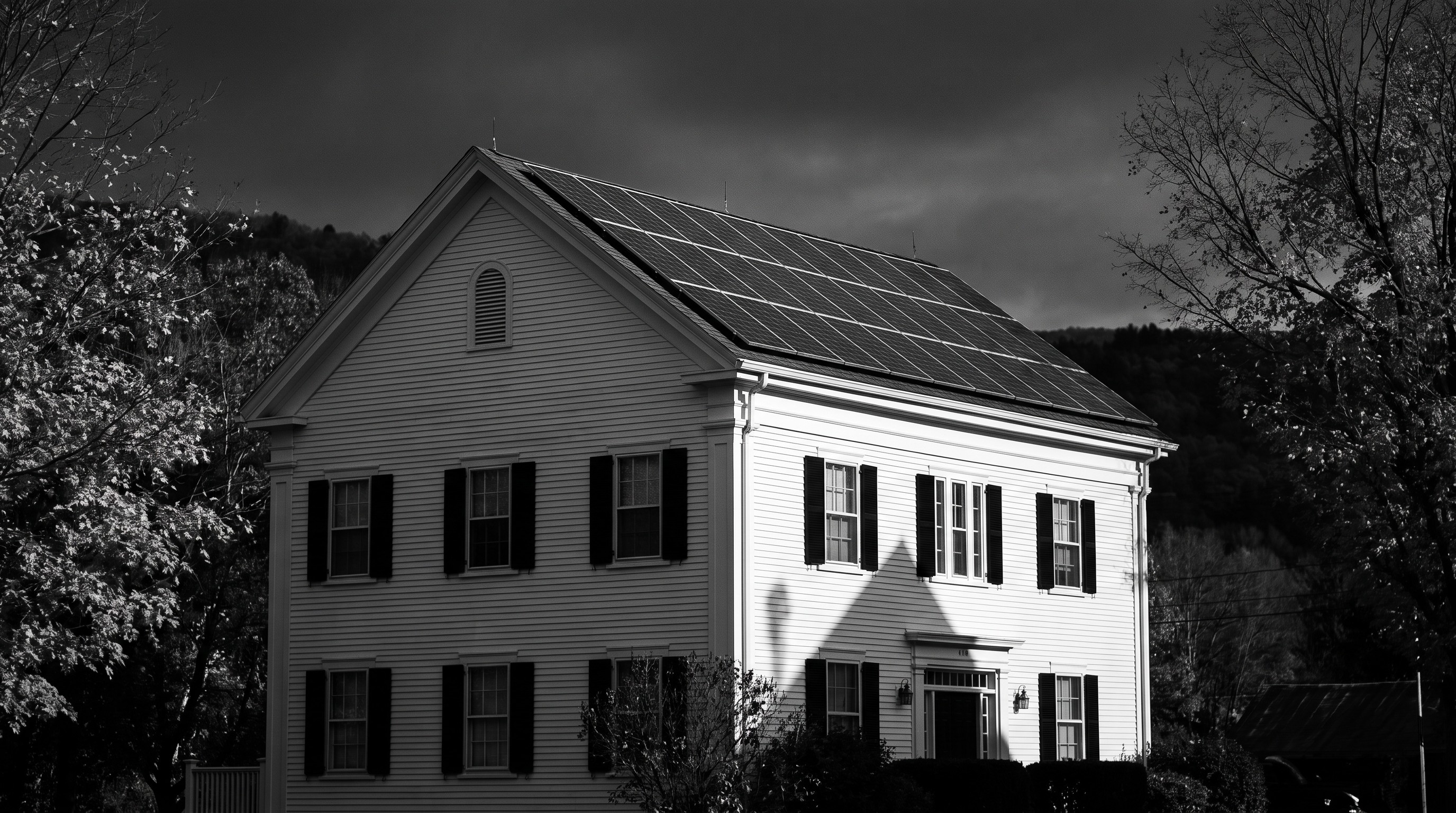
Rooftop solar panels on a small town hall building
New England

A Small New England Town Turns Town Hall Solar Into a Five-Figure IRS Refund

A small hilltown put a 15 kW rooftop solar system on its town hall and placed it in service in mid-2025. Dedux confirmed an eligible basis of about $55,000, verified that the state SMART incentive did not reduce that basis, and handled the Section 6417 election from IRS registration through a Form 990-T e-filed in spring 2026. The IRS accepted the return and the town received its 30% refund. One decision protected the claim: a component-by-component domestic content analysis came in at just under the threshold against a 40% threshold, so Dedux advised the town not to claim the risky bonus. The town kept a clean, defensible credit instead of an audit exposure.

Eligible Basisabout $55,000
Credit Rate30%
Refundabout $17,000
Refund Received
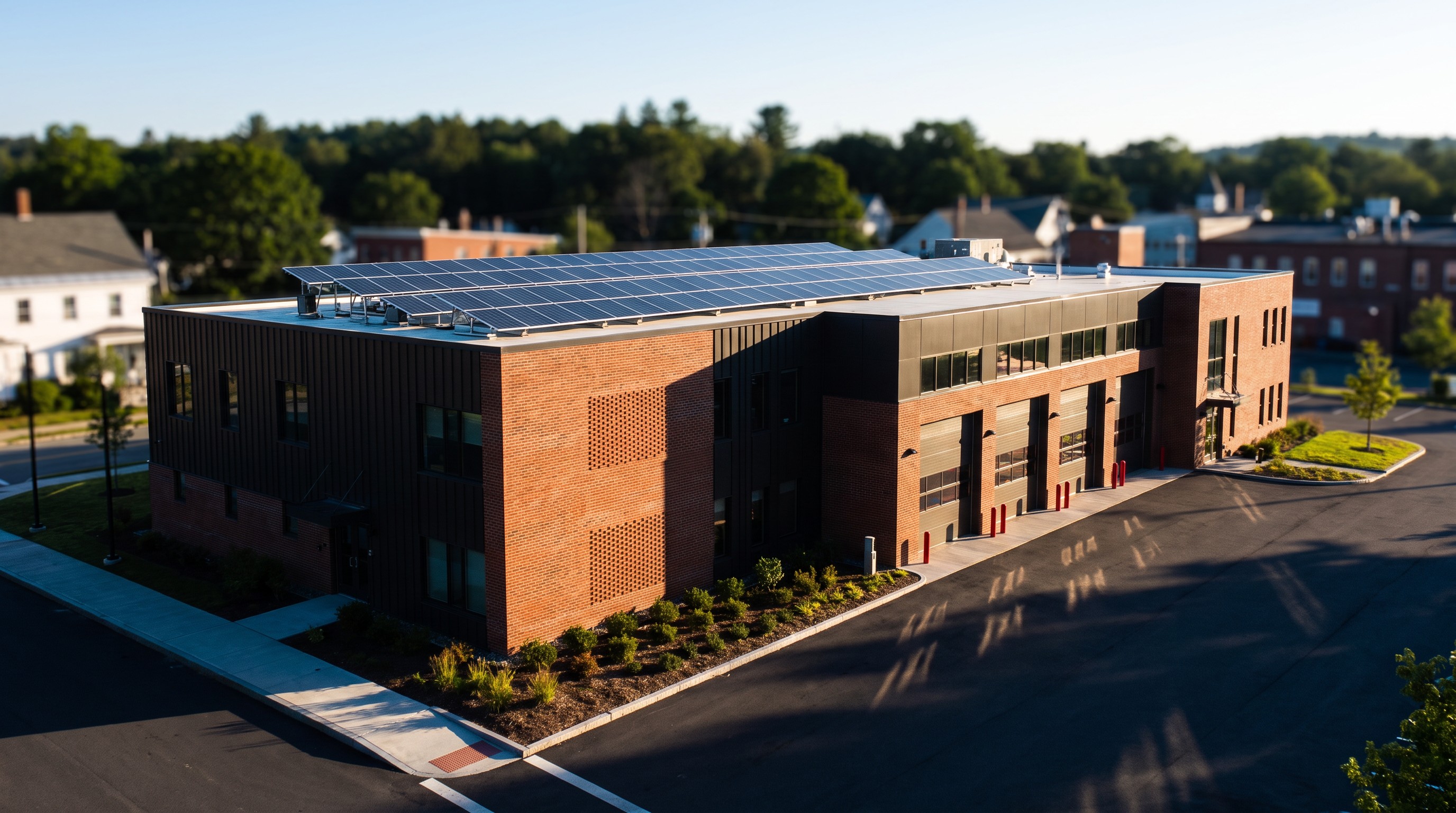
New municipal public safety complex with solar array under a clear sky
New England

A Second Project for the Same Town: Public Safety Solar Set Up for a Mid Five-Figure Credit

After the town hall refund arrived, the same town brought Dedux its next project: solar on its new public safety complex, a $230,000 installation. The 30% base credit comes to around $69,000, but the project is financed with tax-exempt bonds, which reduces the credit by about 15%. Dedux modeled that interaction honestly and set the net estimate at about $59,000, so the town is budgeting against a number that will survive IRS review rather than a headline figure. The engagement is timed to the town's filing calendar instead of collecting early retainers, and it moves to registration and filing as the project reaches service. Towns come back when the first number was real.

Project Cost$230,000
Bond Reduction~15%
Net Credit Est.about $59,000
In Progress
Ground-level view of a municipal solar installation
Midwest

A Midwestern Municipality Receives a Direct Pay Refund of Around $80,000

An EPC partner brought Dedux a completed municipal solar project in the Midwest that needed the tax side done right. Dedux prepared and e-filed the 2025 Form 990-T with the Section 6417 election, the IRS accepted the return, and a refund of about $80,000 arrived by direct deposit. When the IRS CP156 notice referenced sequestration, Dedux walked the finance team through it line by line and showed how the gross-up made the city whole, so nobody was left guessing what the notice meant. The EPC got a filing partner who set realistic refund timelines and kept its municipal client informed from filing to funds, without ever stepping into the client relationship.

Refundabout $80,000
Return2025 Form 990-T
DeliveryDirect Deposit
Refund Received
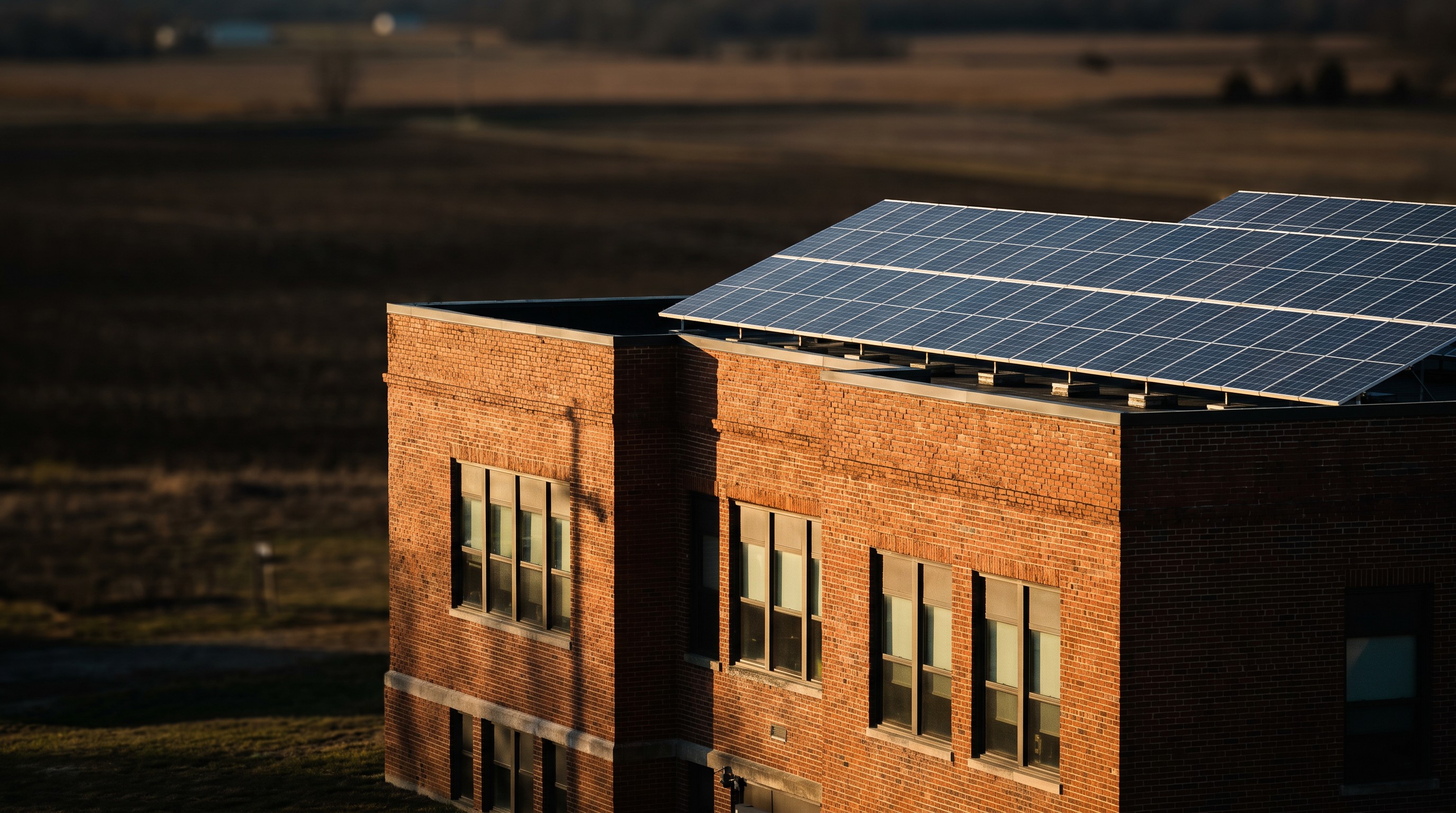
Solar panels installed at a rural public school
Midwest

A Rural School District Receives Roughly $82,000 Back on Its Solar Investment

A public school district in the rural Midwest invested in solar and needed the direct pay filing handled without adding work for a small central office. The project came to Dedux through a partner, and the whole process ran from intake to filed return through a secure portal: project documents in, return prepared, officer e-signature collected electronically, Form 990-T e-filed. The IRS accepted the return and about $82,000 landed in the district's local bank account. For a district budget, that is real capacity, money that goes back into classrooms instead of sitting unclaimed inside a credit the district could never have used before direct pay existed.

Refundabout $82,000
SignatureSecure E-Sign
SourcePartner Referral
Refund Received
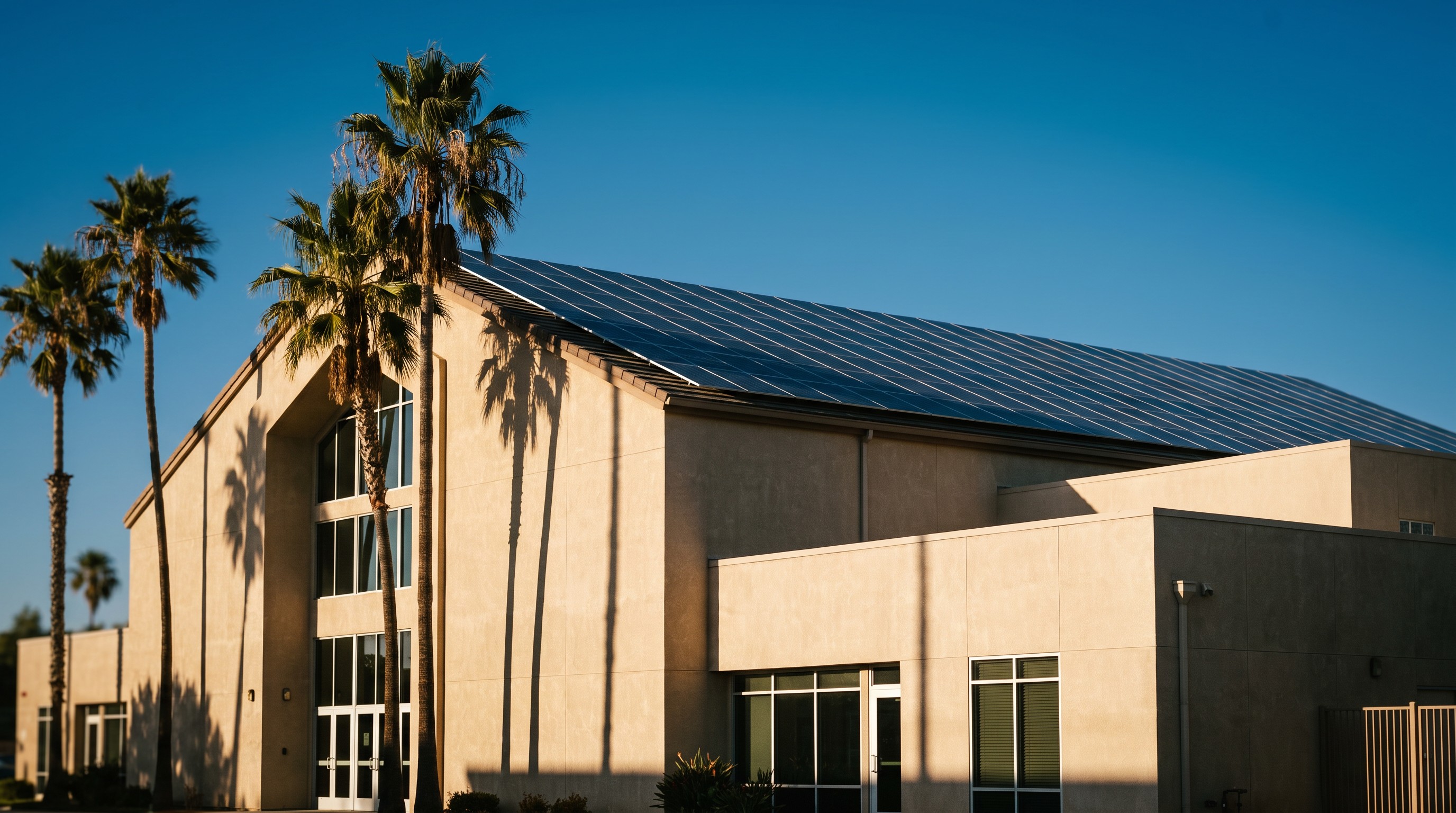
A church building with a rooftop solar energy system
West Coast

A Congregation Captures a 40% Credit Rate After a Deadline Rescue

A West Coast church with about $230,000 in eligible basis qualified for more than the standard 30%. Dedux verified the site against IRS Notice 2024-48 and confirmed a 10% Energy Community bonus adder, bringing the credit rate to 40% and the claim to about $92,000. Then IRS pre-filing registration hit a snag with the deadline closing in. Rather than rush a defective return, Dedux e-filed a protective extension, accepted in May 2026, preserving the full claim for the November filing. The review also caught a signer-authority gap, so the board passed a resolution before anyone signed. The church keeps every dollar of the enhanced credit, on a filing built to hold up.

Eligible Basisabout $230,000
Credit Rate40%
Creditabout $92,000
Credit Secured, Filing in Motion
A historic church with solar panels on the roof
New England

A Historic Congregation Claims a Five-Figure Credit on a Fiscal-Year Return

A historic congregation runs on a May to April fiscal year, a detail that trips up direct pay filings because the credit year and the forms have to line up with the church's own calendar, not the calendar year. Dedux handled IRS pre-filing registration, prepared the fiscal-year Form 990-T, and claimed a Section 48E credit of about $28,000 through the direct pay election. With Form 8821 authorization on file, Dedux monitors the church's IRS transcripts so the refund is tracked from acceptance until the deposit lands. The treasurer gets updates instead of spending afternoons on hold with the IRS, and the congregation knows exactly where its money is.

Creditabout $28,000
Credit TypeSection 48E
ReturnFiscal-Year 990-T
Filed, Refund Monitoring Active
Rooftop solar array on a senior housing property
New England

A Housing Authority Wins a 50% Credit Rate on Its Senior Housing Portfolio

A housing authority installed about 85 kW of rooftop solar on a 41-unit senior housing property where every unit serves residents at or below 60% of area median income. That profile fits Category 3 of the Low-Income Communities Bonus, a competitive allocation worth an extra 20% on top of the 30% base. Dedux built the full application: ownership proofs, the benefits sharing agreement, and production modeling. The authority won the allocation, a 50% total credit rate. Dedux now manages placed-in-service reporting, resident benefit compliance, and the two-agency confirmation gate that must clear before the CPA claims the credit, working alongside the installer, a solar investment firm, and the state housing agency.

Systemabout 85 kW
Units41 at 60% AMI
Credit Rate50%
Allocation Secured
Two rooftop solar systems on a historic mill building
New England

A Preservation Nonprofit Registers Two Rooftop Systems for Direct Pay

A 501(c)(3) historical archives organization in a former mill city put solar on two rooftops: a 17.3 kW AC system and a 10 kW AC system, each with its own interconnection. That detail matters. The IRS treats them as two properties requiring two separate registrations, and a single registration would have put the claim at risk. Dedux made the determination, then built both Energy Credits Online registration packets from the installer's completion certificates and the utility's permission-to-operate records, coordinating documents directly with the installer so the nonprofit's small staff never became the bottleneck. Registration is underway, sequenced ahead of the filing so the return goes in complete the first time.

Systemstwo rooftop systems
Registrations2 Required
CoordinationDirect with Installer
Registration in Progress
Solar canopy structure over a community college parking lot
New England

A Community College Solar Canopy Positioned for a Six-Figure Direct Payment

A community college is building a 0.75 MW solar canopy over a campus parking lot, a roughly $3.3 million project with a direct payment worth more than $700,000. Dedux sequenced the work threshold-first. First, the FEOC supplier compliance file, because the foreign-sourcing rule can zero out a credit entirely for projects starting construction in 2026. Next, the eligible basis study on the dual-use canopy structure, where the line between energy property and parking structure decides real dollars. Then registration and filing. Beginning of construction was locked before the July 4, 2026 deadline through an equipment safe harbor. The project came through the region's nonprofit energy-buying consortium and the project EPC.

Capacityabout 0.75 MW
Project~$3.3M
Target Payment$700K+
Engagement Active
Solar and battery storage microgrid on a mixed-use property
Gulf South

An FEOC Screen Catches a Credit-Killing Panel Issue on a Seven-Figure Microgrid

A tax attorney brought Dedux in as a subcontractor on a $1 million microgrid: 165 kW of solar plus 258 kWh of battery storage on a mixed-use property. The FEOC screen found the problem before construction began. The specified panels came from a prohibited foreign entity, and under the 2026 rules that sourcing does not trim the credit, it eliminates it. Dedux quantified which components pass the material assistance test and identified the battery cells as the decisive risk, giving the attorney and the developer time to fix the equipment list instead of losing the credit. On a companion 79 kW project, Dedux confirmed the all-US equipment list needed only supplier certifications, saving the client a full FEOC study.

Microgridabout 165 kW of solar with battery storage
Risk FoundPre-Construction
Companion79 kW Cleared
Advisory Engagement
Ground-mount utility-scale solar farm rows in central Texas
Central Texas

A Utility-Scale Solar Farm Gets an Engineering-Based Cost Segregation Study

Not every GreenFile client is tax-exempt. A for-profit developer building a just under 1 MW ground-mount solar project in central Texas, $2.4 million in total cost, needed the numbers behind the numbers: which costs qualify as energy property for the Investment Tax Credit, and how the assets break out for MACRS depreciation. Dedux scoped an engineering-based cost segregation study that classifies qualifying basis component by component and delivers a filing-ready schedule straight to the developer's CPA. The CPA files with support behind every line, the developer's credit and depreciation positions are documented from day one, and nobody is left defending rough estimates after the return goes in.

Capacityjust under 1 MW
Total Cost$2.4M
DeliverableCPA-Ready Schedule
Engagement Scoped

How These Projects Get Done

Three ways organizations and their advisors bring GreenFile Advisory into a project.

For Organizations

Towns, schools, churches, housing authorities, and nonprofits hand us the whole arc: eligibility confirmation, IRS pre-filing registration, Form 990-T preparation, e-filing, and refund tracking until the money lands. Your officer signs. We handle everything else, on your filing calendar.

For EPCs and Developers

We are the white-label filing partner behind your projects. Send our 10-tab intake and we take it from there to a filed 990-T: registration, return, e-signature, refund timeline. Your client relationship stays yours, and your customers get the credit you promised them.

For Attorneys and Advisors

Subcontract FEOC and bonus adder analysis under your engagement. You keep the client and the privilege; we deliver the component-level sourcing findings, adder verification, and quantified risk positions your opinion stands on. Quiet, technical, and on your letterhead terms.

Your Project Could Be Next

If your organization has a clean energy project built, planned, or somewhere in between, the credit is real and the filing is our job. Tell us about the project and we will tell you what it is worth.

Start the Conversation