Overview Resource Library Direct Pay Explainer Start Filing
A Dedux Tax Services Practice

IRS Direct Pay Elections for Tax-Exempt Organizations

Expert filing and compliance guidance for Section 6417 direct pay elections, helping eligible entities claim the clean energy tax credits they've earned

Get Started Explore Resources
30–70%of project cost, in cash 100%filed by an Enrolled Agent
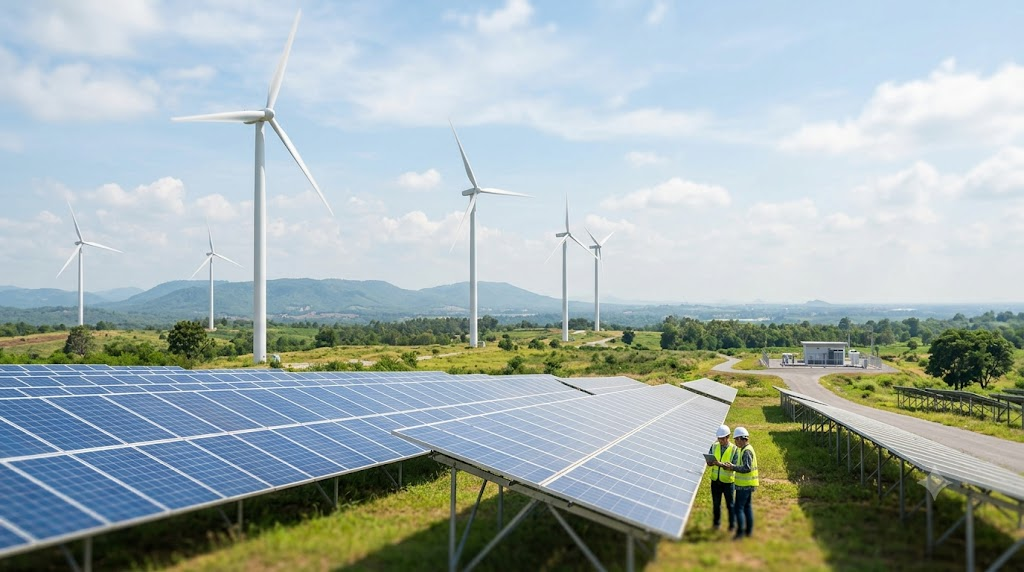
Wind turbines and solar array with engineers on site
6417direct pay election
120 daysregistration lead time

Direct Pay for Clean Energy Credits

The Inflation Reduction Act introduced Section 6417, allowing tax-exempt entities to receive direct payments from the IRS for clean energy tax credits, credits they previously couldn't use because they don't have federal tax liability.

GreenFile Advisory helps these organizations navigate the filing process, from initial registration to 990-T preparation, so they can access the incentives they're entitled to. We focus exclusively on the filing and compliance side, ensuring your direct pay election is handled accurately and on time.

Direct IRS Payments

Credits paid directly to your organization, no tax liability needed

990-T Filing Required

Elections made on Form 990-T with proper schedules and registration

Pre-Filing Registration

IRS Energy Credits Online portal registration required before claiming

How the Credit Stacks Up

The Investment Tax Credit starts at 30% of eligible project costs for qualifying projects. Bonus credits can stack on top of the baseline, and every one of them is payable in cash through a direct pay election.

30%Baseline ITC
+10%
+10%
+ up to 20%
Baseline credit Energy community Domestic content Low-income community program

Illustrative maximum. The 10% adders assume the project qualifies for the full 30% base rate (under 1 MW or prevailing wage and apprenticeship compliant); adders drop to 2% at the 6% base rate. Actual results depend on project size, location, sourcing, and program allocations.

+10%

Energy Community Bonus

Ten percentage points for projects in a qualifying energy community: a brownfield site, a census tract with retired coal infrastructure, or a statistical area that meets both a fossil fuel employment or tax revenue test and an unemployment rate at or above the national average.

+10%

Domestic Content Bonus

Ten percentage points for projects using US-made steel, iron, and manufactured components. The manufactured products threshold is 40% for construction started by June 16, 2025, then 45% through year-end 2025, 50% in 2026, and 55% after. Supplier certifications carry the claim.

+10–20%

Low-Income Communities Bonus

A capacity-limited allocation program for projects under 5 MW located in low-income communities or on Indian land (10%), or serving qualified low-income residential or economic benefit projects (20%). The 2026 application cycle is open through August 7, 2026.

Timing now drives eligibility for solar and wind

Under the 2025 tax law, solar and wind projects that began construction by July 4, 2026 keep the standard multi-year window to be placed in service. Projects starting construction after that date must be placed in service by December 31, 2027 to qualify. If your project is in motion, the filing calendar deserves attention now, not at tax time.

What Would Your Project Get Back?

Move the slider, toggle the bonus positions that might apply, and see the cash figure. Then let us confirm the real one.

Estimate Your Direct Pay Credit

$2,000,000
Energy Community+10%
Domestic Content+10%
Low-Income Community (allocation)+10%
Low-Income Economic Benefit (allocation)+20%
Estimated credit: 40% of cost $800,000 paid in cash by the IRS via Section 6417

Illustrative. Assumes the full 30% base rate (under 1 MW or prevailing wage and apprenticeship compliant); adders drop to 2% at the 6% base rate. Low-income bonuses are capacity-limited allocations. Actual results depend on project size, location, sourcing, and program allocations.

Organizations That Qualify for Direct Pay

State & Local Governments
Tax-Exempt Hospitals & Healthcare
Colleges & Universities
Religious Organizations
Public Housing Authorities
Rural Electric Cooperatives
Tribal Governments & Enterprises
501(c)(3) Nonprofits

End-to-End Filing & Compliance Support

Pre-Filing Registration

We guide you through IRS pre-filing registration on the IRS Energy Credits Online portal, ensuring your organization is properly set up before you file.

990-T Preparation & Filing

We prepare and file your Form 990-T with the required elections and schedules to claim your direct pay credits accurately and on time.

Compliance & Documentation

We help you maintain proper records, meet reporting deadlines, and stay compliant with IRS requirements for ongoing direct pay elections.

How GreenFile Advisory Works

1

Eligibility Confirmation

+

We review your organization’s structure and clean energy investments to confirm Section 6417 eligibility and identify which credits apply to your situation.

2

Portal Registration

+

We handle your pre-filing registration on the IRS Energy Credits Online portal, obtaining the required registration numbers for each eligible property.

3

Return Preparation

+

We prepare your Form 990-T with proper elections and credit schedules, ensuring every line item is accurate and fully supported.

4

Filing & Follow-Up

+

We file on your behalf and monitor for any IRS correspondence or follow-up needed, keeping you informed every step of the way.

The Direct Pay Timeline

StepConstruction Begins

The beginning-of-construction date locks in key eligibility rules. Contracts and dated records matter from day one.

StepProject Placed in Service

The credit is claimed for the tax year the project is placed in service.

StepPre-Filing Registration

The IRS recommends starting at least 120 days before your return is due.

StepForm 990-T Filed with the Election

Filed with Form 3468 and Form 3800 attached, along with the registration numbers.

StepThe IRS Pays Your Organization

The elected credit is treated as an overpayment and refunded by direct deposit or check.

Direct Pay, Answered

?

We have no tax liability. Can we really get paid?

+

Yes. That is the entire point of Section 6417. Eligible tax-exempt and governmental entities receive a payment equal to the full value of the credit, including any bonus credits, after filing the election on a timely return.

?

Did the 2025 tax law end these credits?

+

No. Direct pay itself was not changed. The law did accelerate deadlines for solar and wind, and new foreign-sourcing rules apply to projects beginning construction in 2026 and later, which makes supplier documentation more important than before.

?

Our organization has never filed a 990-T. Is that a problem?

+

Not at all. Many organizations file a 990-T for the first time solely to make the direct pay election. Filing one does not create unrelated business income tax by itself.

?

Our project received grant funding. Does that reduce the credit?

+

It can. Certain grants and forgivable loans interact with the credit calculation. This is one of the areas we review during eligibility confirmation so there are no surprises after filing.

Ready to File Your Direct Pay Election?

GreenFile Advisory handles the registration, preparation, and filing so your organization receives the credits it's earned.

Get Started